
Italians have a saying for this: sposa bagnata, sposa fortunata, a wet bride is a lucky bride. It's sweet, but it doesn't replace a plan. Rain on your wedding day in Italy is rarely a disaster when the plan B is real, and almost always one when it isn't. Most advice online stops at "rent a tent." Here's how it works at Italian venues, from the people standing in the garden with the couple when the first drops fall.
When and where it rains in Italy
Summer in central and southern Italy is mostly dry; Rome sees only two or three rainy days in July on average. The north is different. Lake Como is one of the wettest places in the country, with May its rainiest month and frequent summer thunderstorms. Across Italy, rain becomes more likely from October and peaks in late autumn. Our month-by-month guides for Rome and Lake Como have the numbers.
Choose a venue with a real indoor option
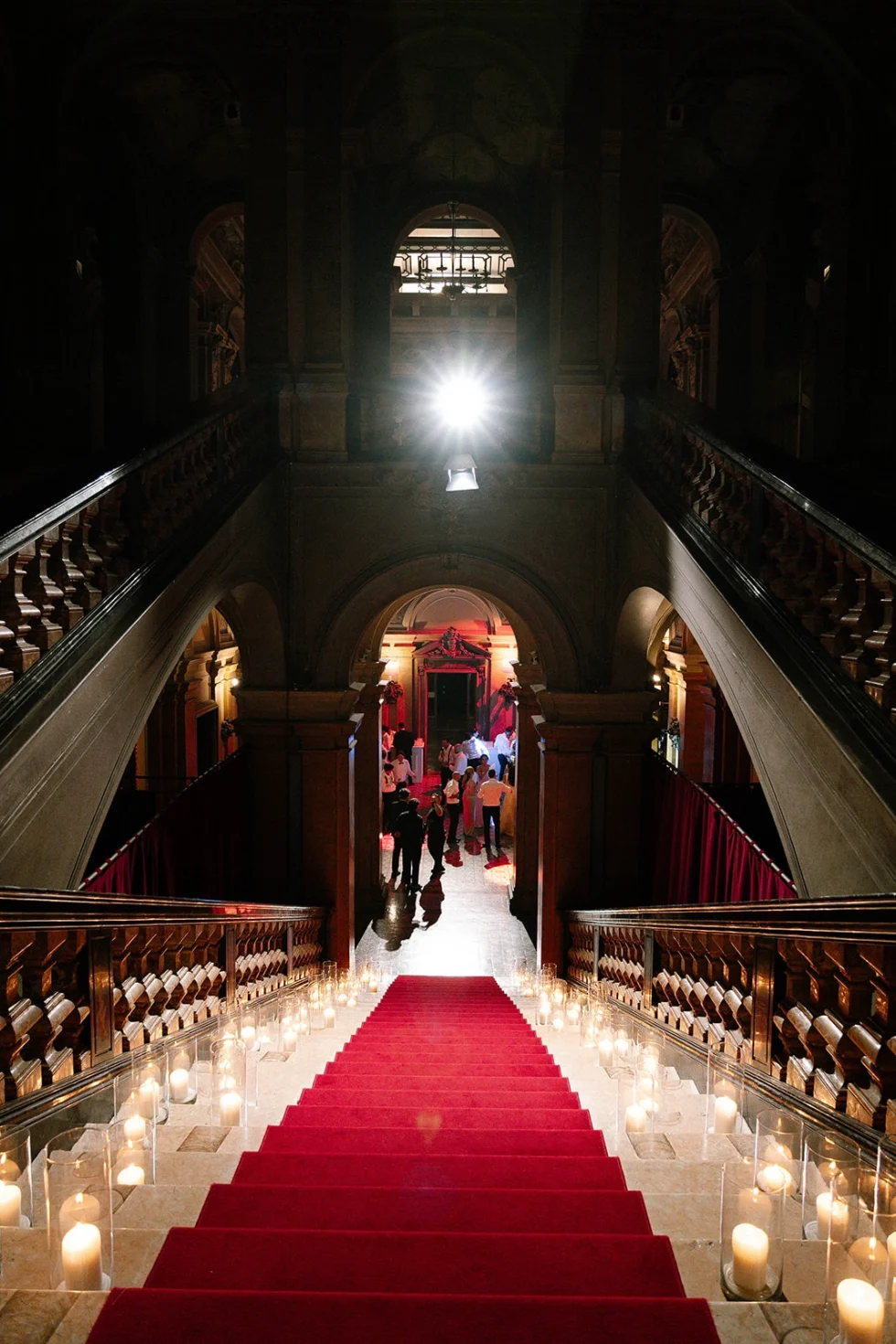
Ask every venue the same two questions: where does the ceremony happen if it rains, and where does dinner happen? Then go and see those rooms, at the same hour as your event. A frescoed hall, a covered loggia or a limonaia, the lemon house many Tuscan villas have, is a plan B you'll be happy with. A storage room with chairs is not. Ask how many guests the room seats for dinner, not only for a ceremony.
Marquees: what to know
- Book one on hold if the venue has no indoor room large enough. Many suppliers offer a hold with a release date a few days before the wedding.
- Ask the venue first. Historic gardens may restrict where a structure can be anchored, and some protected lawns can't take one at all.
- Plan the time. A proper marquee takes a day or more to install. It's never a same-morning decision.
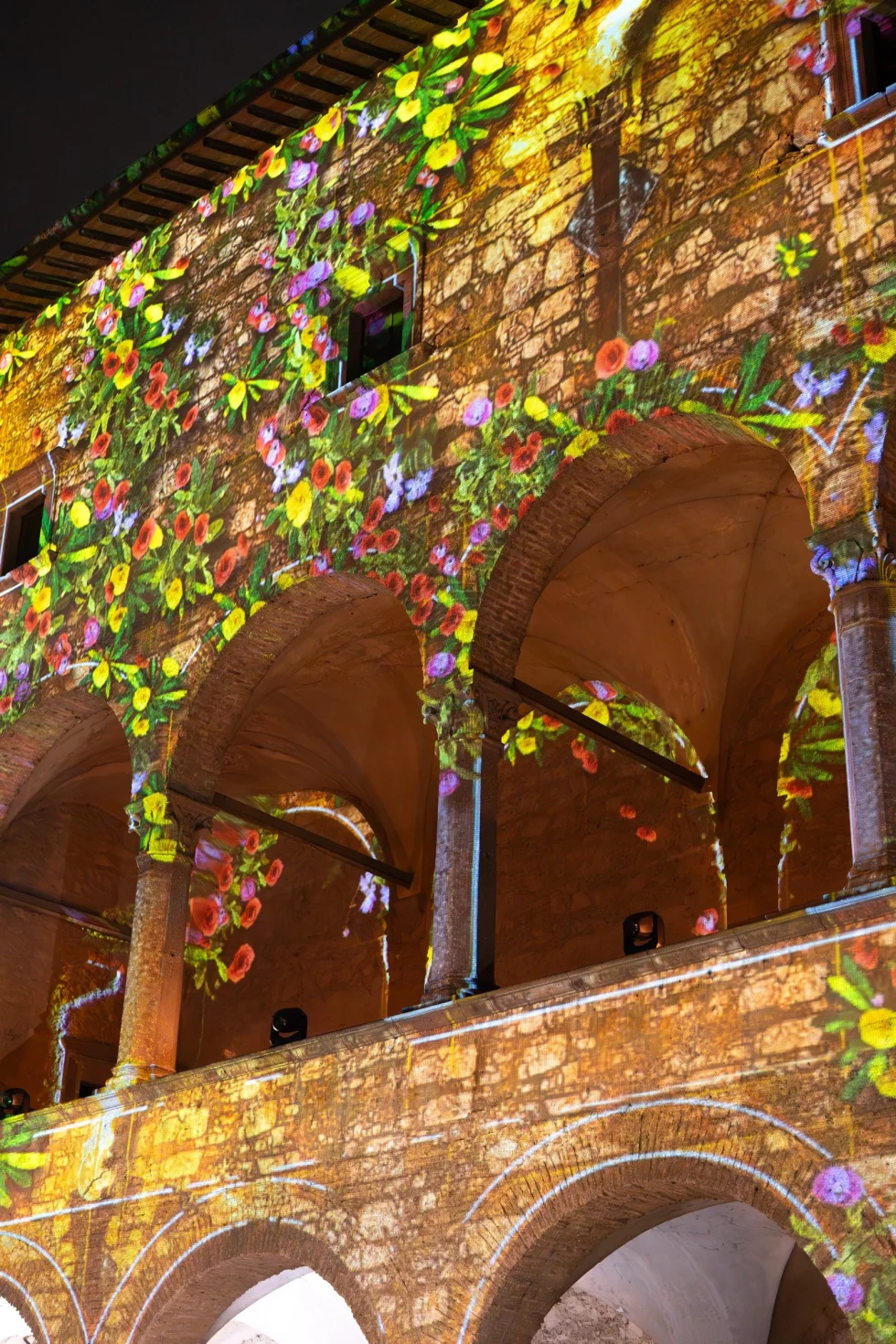
- Design it, don't hide it. Lighting, draping and flowers can make a marquee as beautiful as a room. Plan it with your designer, not as an afterthought.
Decide at a fixed time
Your planner will watch the forecast with you. Agree on a deadline and stick to it: for widespread rain, usually the evening before; for summer thunderstorms, which are hard to predict a day ahead, around midday. Moving a ceremony indoors takes a few hours of work, and a decision taken at 4 p.m. means guests waiting in a corridor.
Look after your guests
- A basket of plain white or clear umbrellas at the entrance. They look elegant and photograph beautifully; black ones swallow faces, patterned ones fight the flowers.
- Shuttles that drop guests as close to the door as possible.
- Mats or carpet on wet stone and marble, which get slippery.
- Heaters or wraps for a cool, wet evening in spring or autumn.
- A warm welcome drink to change the mood.
For the bride and groom
- Shoes you can actually walk in on wet stone, and a second pair for dancing.
- A hairstylist who knows how to handle humidity, a style that can hold, and extra pins.
- A bustle for the train, practiced before the day, to keep the hem off wet ground.
- A wrap, a cape or a jacket for the bride, chosen as part of the look rather than as an emergency.
- Towels for the chairs if a short shower passes before the ceremony.
Why photographers don't mind clouds
Overcast light is soft, even and flattering. Skin looks beautiful, white dresses don't burn out, and the colors of a garden become deeper. Some of our favorite portraits were made just after a storm, when the stones were still wet, reflecting the light, and the sky had that silver glow. A clear umbrella backlit at dusk, raindrops caught in the light of a doorway, a couple running across a courtyard laughing: rain gives you images that sunny days never do. If there's a break in the rain, we'll find it.

What changes for the film
Rain changes the sound as much as the image. We protect microphones on the officiant and the couple, and we choose indoor positions so vows are clean. Drones don't fly in rain or strong wind, and boat rides on the lake are usually cancelled in a storm, so plan an alternative for any moment that depends on them.

Insurance
Wedding or event insurance can cover some costs if a wedding has to be postponed because of extreme weather. Policies vary a lot, and ordinary rain is usually not covered, so read the conditions carefully and ask your planner what's common for destination weddings.
Questions couples ask us
Is rain on your wedding day really good luck in Italy?
That's the saying, and Italians mean it kindly. In practice, the luck comes from the plan B you prepared.
Can we still have outdoor portraits?
Usually, yes. Showers in Italy often come and go, and there's almost always a twenty-minute window. We watch the sky with you and move fast when it opens.
Should we change the ceremony time if storms are forecast?
Sometimes moving it earlier or later by an hour avoids a summer storm. Keep the timeline flexible enough to allow it, and decide together with your planner at the agreed time.
Rain visits Italy most in late autumn, so check our guide to the best time to get married in Italy. And if you'd like a team that stays calm when the sky changes its mind, write to us.
Inquire
Your date, our full attention
We accept a limited number of weddings each year, so that every couple receives the time and care they deserve. Whether your celebration has been planned for a long time or is coming together at the last minute, we would be delighted to hear your story.
Inquire about your date