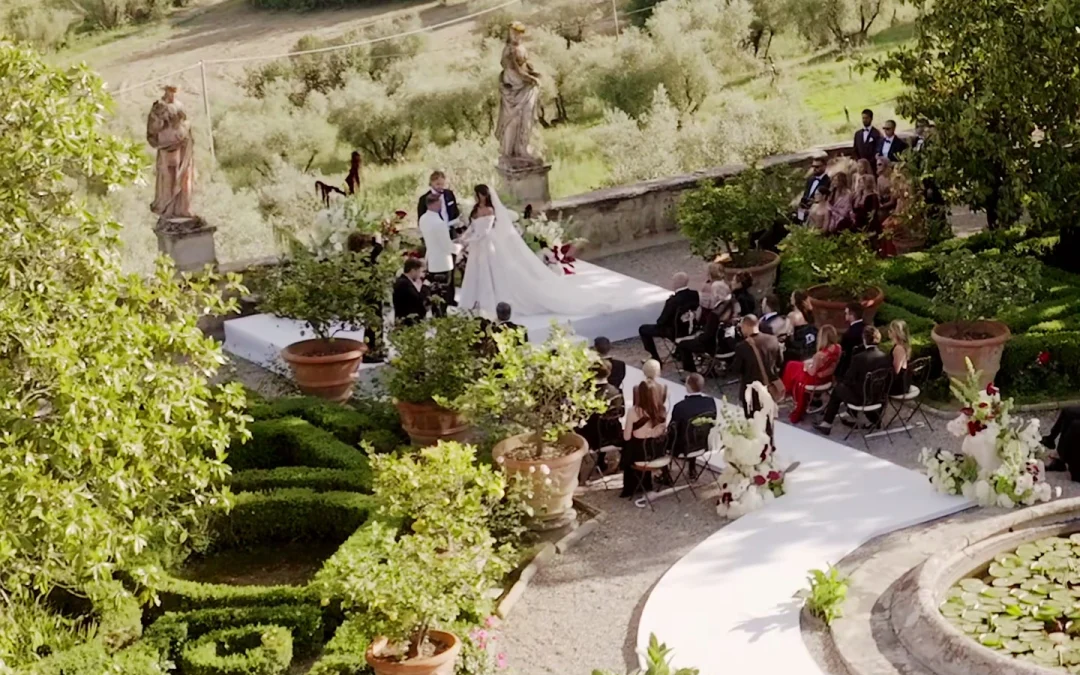

One of the first questions couples ask us about getting married in Italy as a foreigner is whether their wedding will be legal. The short answer is yes, it can be. The longer answer depends on your nationality, the type of ceremony and how much paperwork you're willing to do. Here's the overview I wish someone had given my first clients years ago, with the steps for American couples in the order they actually happen.
A quick disclaimer: we're photographers, not lawyers. Requirements change and depend on your country and on the town hall, the comune, where you marry, so always confirm the details with your consulate and the comune. A good planner will handle most of it for you.
Option one: a civil ceremony
A civil wedding is performed by the mayor or an official delegated by the comune. It's legally valid in Italy and, in most cases, recognized at home. Traditionally it takes place in the town hall, and in cities like Rome, with the Sala Rossa of the Campidoglio, and Florence, with Palazzo Vecchio, those rooms are magnificent. Many comuni have also authorized villas, castles and gardens as official wedding venues, so a legal ceremony in a beautiful garden is often possible. Ask your venue whether it is on the list.
The documents for US citizens, step by step
- Passports for both of you, valid for the whole trip.
- Birth certificates, long form, with an apostille from the issuing state; some comuni also ask for an Italian translation.
- Proof that a previous marriage ended, if it applies: a divorce decree or death certificate, with apostille and translation.
- The Atto Notorio, a sworn statement with two witnesses that nothing prevents the marriage, made at an Italian consulate in the US before you travel or at a court in Italy. It usually has to be done within a few months of the wedding.
- The Dichiarazione Giurata, the sworn declaration of freedom to marry, signed in person at a US consulate or the embassy in Italy, by appointment, for a fee of around fifty dollars each. The US doesn't issue a standard Nulla Osta; this is its equivalent.
- Legalization at the Prefettura, the local government office, which stamps the consular signature, with a revenue stamp, the marca da bollo.
- The declaration of intention at the comune, one or two days before the wedding, with an interpreter if you don't speak Italian.
- Two witnesses over 18, with valid ID, for the ceremony itself; they can be foreign guests.
Banns are normally required only when one of you lives in Italy, and are usually waived for non-resident couples. British, Canadian and Australian couples follow similar steps with a certificate of no impediment from their own authorities, apostilled and translated. Document validity varies, often three to six months, so plan the order carefully.
Fees and timing
Town halls charge a fee for the ceremony that varies with the room, the day and your residence, from a few hundred euros to a few thousand at the most famous venues, plus the interpreter and translations. Weekday ceremonies are often cheaper, and popular rooms book up months ahead: civil weddings in Rome have grown fast in recent years. Start the paperwork three to six months before.
Option two: a religious ceremony
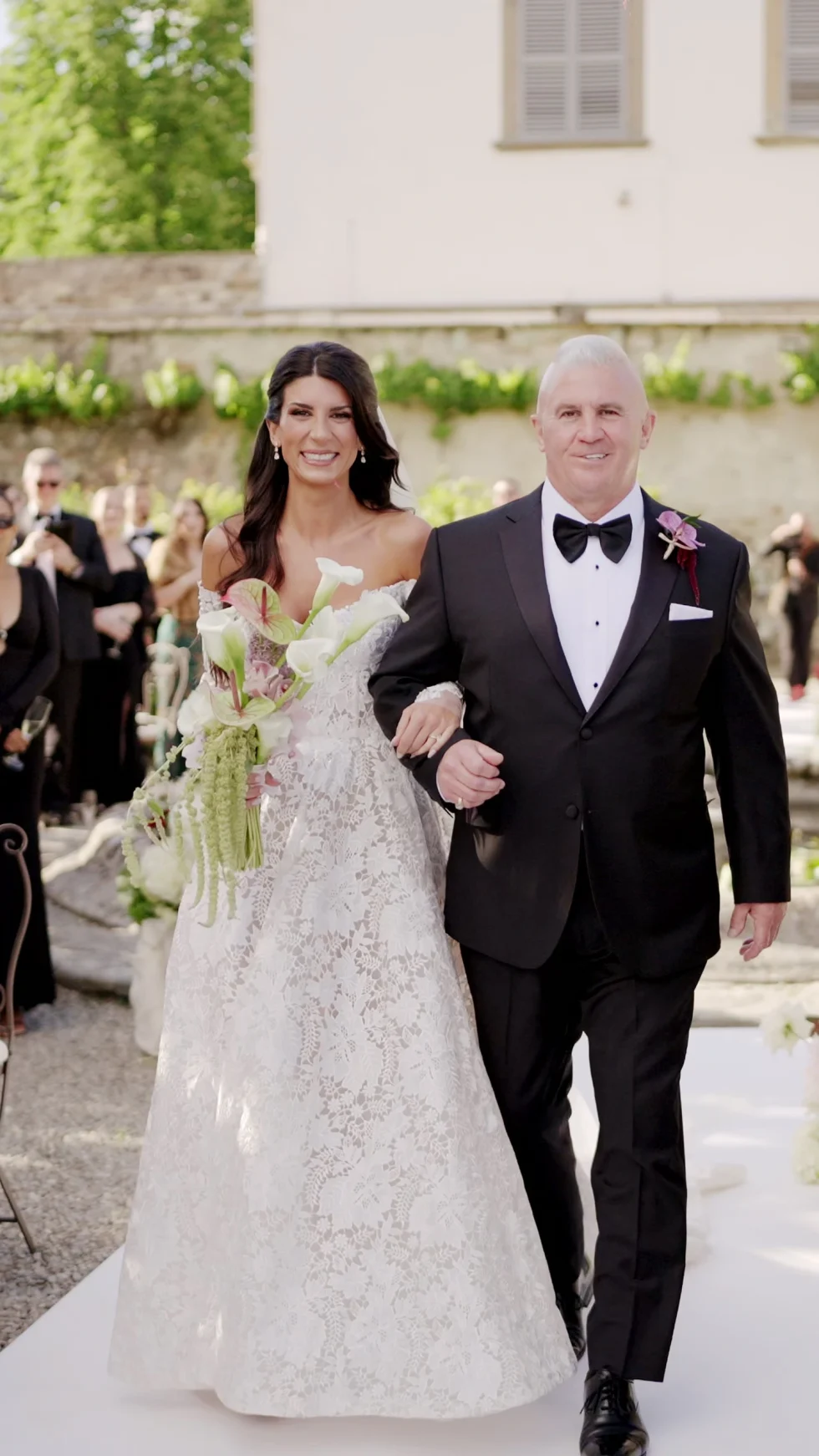
A Catholic wedding in Italy can be valid both religiously and civilly, thanks to the agreement between the Italian state and the Church. The priest reads the civil articles during the ceremony and the marriage is then registered at the comune. You'll need recent baptismal and confirmation certificates, a pre-marriage course, a letter of freedom and the permission of your home diocese, sent to the Italian diocese. Allow six months or more, and talk to your parish priest first.
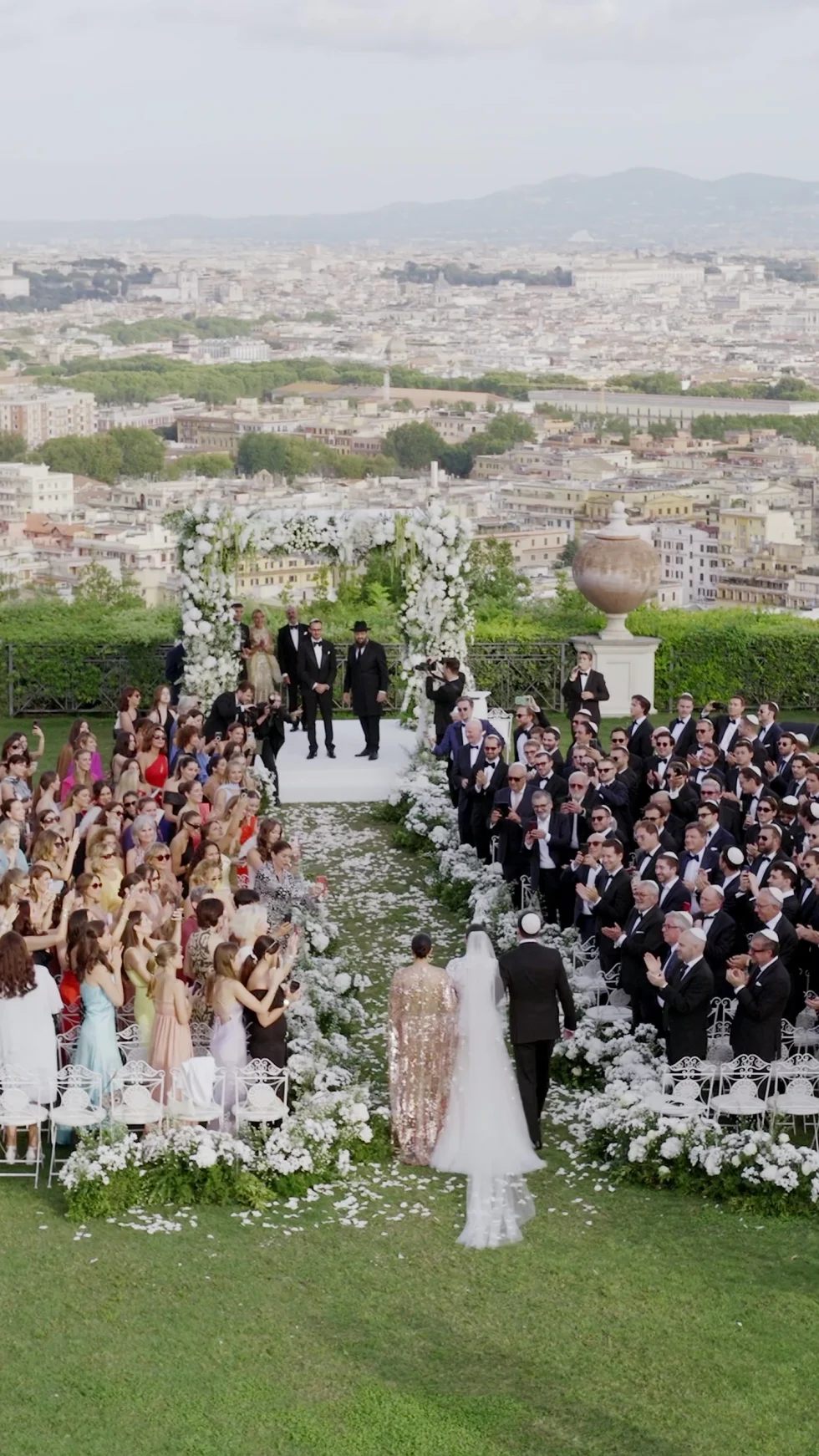
Some other faiths with an agreement with the Italian state, including Jewish, Waldensian and Lutheran communities, can also celebrate marriages with civil effect, though the paperwork is longer. Ceremonies led by a celebrant are usually not legally binding on their own, so couples combine them with a civil ceremony, in Italy or at home.
Option three: a symbolic ceremony
This is what most of our couples choose. You marry legally at home, maybe at the town hall the week before with a few family members, and then hold a symbolic ceremony in Italy with everyone you love. No Italian paperwork, no restrictions on time or place, and a ceremony that can be exactly what you want: in English, in two languages, with a friend officiating, with your own vows.
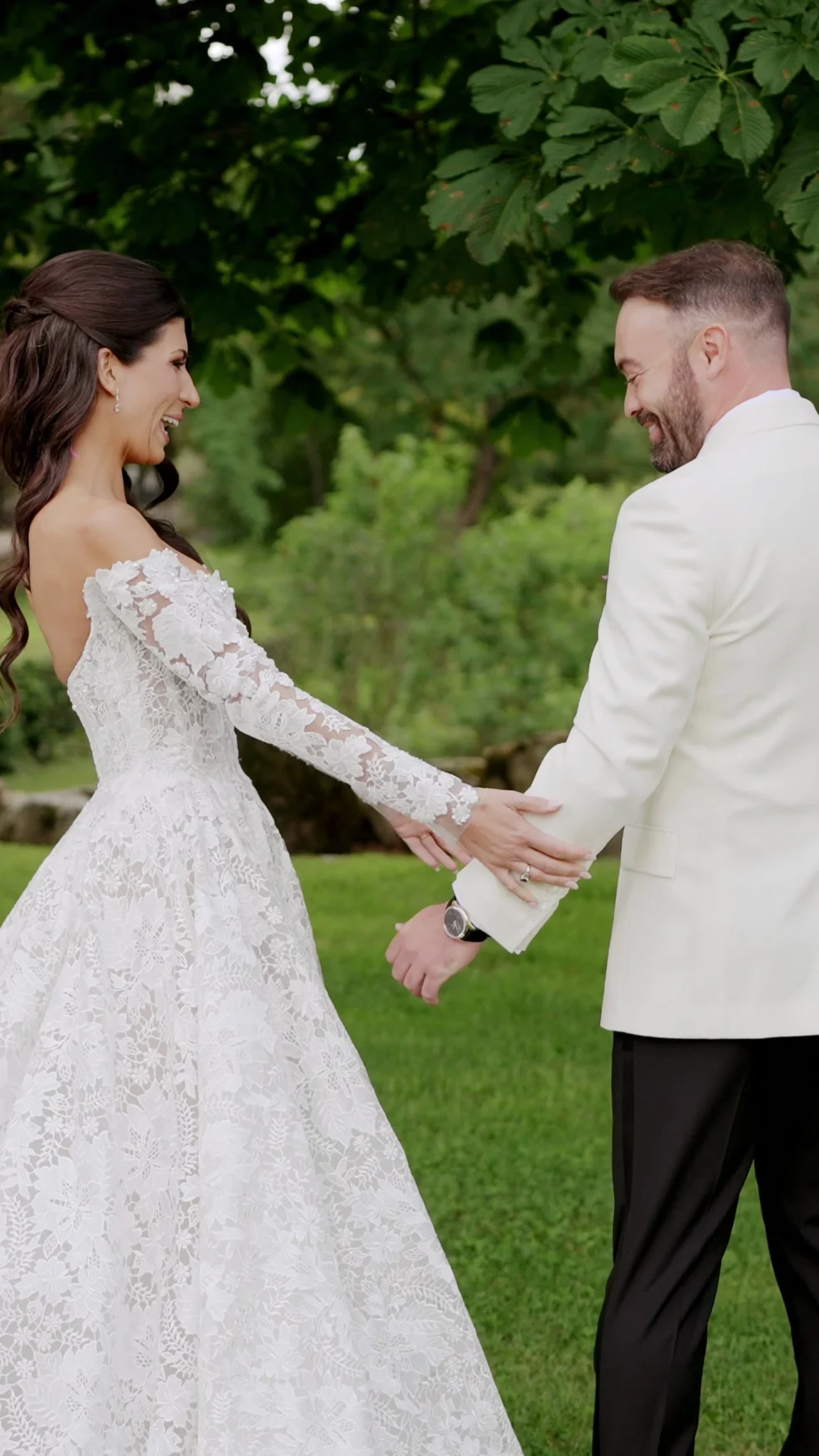
From a photographer's point of view, symbolic ceremonies have one big advantage: you can choose the time. We can set it for the hour of softest light, usually an hour and a half to two hours before sunset, instead of fitting into the town hall's schedule.
Same-sex couples
Italy has recognized civil unions between same-sex couples since 2016, but not marriage, and the rules for two foreign partners are complex. Most couples choose a legal ceremony at home and a symbolic celebration in Italy, like Dan & Christian at Villa Pizzo on Lake Como.
After the wedding
If you marry legally in Italy, the comune registers the marriage and issues a certificate. For use in the US, for example to change your name, you'll usually need an apostille on it from the Prefettura, and sometimes a translation. Ask your planner to arrange it before you fly home; the US doesn't need the marriage registered, but you'll want the apostilled certificate in your files.
A few things that save headaches
- Check how long each document is valid. Some expire within a few months.
- Bring originals and copies of everything to Italy.
- Make sure names are spelled identically on every document, including middle names.
- Leave a free afternoon before the wedding for the appointments at the consulate, the Prefettura and the comune.
- Tell your photographer if the legal ceremony is on a different day: it deserves a few photographs too.
Questions couples ask us
Is a civil wedding in Italy legal in the United States?
Yes. A marriage legally celebrated in Italy is generally recognized in the US. Keep the Italian certificate with its apostille for official use.
How long does the paperwork take?
For a civil ceremony, three to six months from the first document to the wedding. For a Catholic ceremony, six months or more.
Whatever you choose, the ceremony is the heart of the day. If you're planning yours, tell us about it. And if you're still deciding where, read our guide on where to get married in Italy or the guide to eloping in Italy.
Inquire
Your date, our full attention
We accept a limited number of weddings each year, so that every couple receives the time and care they deserve. Whether your celebration has been planned for a long time or is coming together at the last minute, we would be delighted to hear your story.
Inquire about your date